 JUVENIS vouchers
 JUVENIS vouchers
Treating hives or nettle rash in Vienna
Treatment of urticaria in Vienna
Urticaria, also known as chronic hives, is a common but non-contagious skin condition that manifests itself with large red skin bumps (also known as wheals) and severe itching. These bumps can appear quickly all over the body and disappear just as quickly. Those affected suffer from the unpredictability of the disease, which is very restrictive both privately and professionally and represents a major psychological burden.
But what is urticaria? The disease (also known as hives) manifests itself in the form of fleeting wheals. These resemble the rashes that occur after contact with stinging nettles. They appear spontaneously with very severe itching, disappear after a few minutes or hours and may reappear later on another part of the body.

There are various forms: Acute hives last less than 6 weeks and are very common. It is usually a reaction to medication, an infection or other triggers. Chronic urticaria lasts longer and can either occur spontaneously, i.e. without a recognizable trigger, or have various causes. These include cold, heat, UV radiation, pressure (e.g. from carrying a handbag etc.) or stress. Unfortunately, the exact cause is not yet known. One possible trigger is an infectious disease.
Please contact JUVENIS by phone at +43 1 236 3020by e-mail to empfang@juvenismed.at or via the contact formto make an appointment for a consultation or treatment.
However, one thing is always the same for all forms: the underlying mechanism. This is because the mast cell, a part of the immune system, releases the messenger substance histamine when an allergy is present. In urticaria, the mast cells react incorrectly and release excessive histamine, which leads to swelling of the skin and the formation of wheals.
Treatments & therapies
Due to their unpredictability, it is difficult to identify the symptoms when visiting the doctor. Those affected should therefore take photos of their flare-ups, note the extent and time and then present them to the doctor.
Therapy begins with a search for the trigger in order to avoid it as much as possible.
Treatment regions
Treatment procedure
While short-term urticaria usually disappears quickly or the short-term use of antihistamines helps, chronic urticaria is treated with medication according to a three-stage regimen, which was redefined in a guideline in 2018.
- Step: Use of a non-fatiguing antihistamine, once a day for approx. 2 weeks
- Step: Increase the dose up to fourfold over a period of 2 to 4 weeks
- Step: Injection of a drug under the skin, once a month
Permanent treatment achieves freedom from symptoms but does not cure the disease, it only suppresses it. However, urticaria never lasts a lifetime, it comes and goes spontaneously. Unfortunately, the duration is very variable: in its acute form less than 6 weeks, in the chronic form rarely longer than 5 years.
Costs
| Treatment | Price |
|---|---|
| First appointment Urticaria | € 190 |
Alternative and complementary treatments
New medication for urticaria
Here you will find a report from a patient in whom a new medication from the group of biologics against urticaria was used by Dr. Tamara Kopp. You can read here how successfully this medication works against urticaria in this patient: Patient report
FAQs
Urticaria is a skin condition characterized by sudden-onset hives, redness, and severe itching. These skin lesions may disappear within a few hours but can recur repeatedly.
Typical signs include:
itchy hives on the skin
Redness and swelling
Burning sensation or tightness
occasional swelling in the face (angioedema)
The symptoms can vary in severity.
The causes can vary widely, including:
allergic reactions
Infections
Stress or psychological strain
Cold, heat, or pressure on the skin
certain foods or medications
In many cases, the exact cause remains unclear.
The main distinction is between:
Acute urticaria (lasting less than 6 weeks)
chronic urticaria (lasting longer than 6 weeks)
physical urticaria (e.g., triggered by cold or pressure)
Treatment depends on the cause and course of the condition and may include:
antihistamines
anti-inflammatory treatments
Targeted identification of potential triggers
Individualized treatment plans for chronic urticaria
The goal is to relieve itching and manage symptoms over the long term.
In most cases, hives are harmless but very uncomfortable. However, if there is severe swelling in the face or neck, you should seek medical attention immediately.
The process begins with a thorough dermatological examination and review of your medical history to identify potential triggers. A personalized treatment plan is then developed.
Acute urticaria often resolves on its own. Chronic forms may persist for longer periods, but with the right treatment, they can be well managed and significantly improved.
You can reduce your symptoms by:
Avoiding known triggers
Stress reduction
gentle skin care
Avoidance of irritating substances
Depending on the treatment, side effects may occur, which will be discussed in detail beforehand. The treatment is tailored to each individual to ensure it is as well-tolerated as possible.
The cost depends on the scope of the diagnostic tests and treatment. An initial consultation for urticaria costs €190.
You can get the exact prices during a personal consultation.
Since this is a medical treatment, health insurance often covers (part of) the costs.
At JUVENIS, you will be cared for by experienced dermatologists. Through targeted diagnostics, modern therapies, and personalized treatment plans, we aim to achieve long-term symptom management and a significant improvement in your quality of life.
Here, we’ve answered the most common questions about urticaria—hives . If you have any further questions, please feel free to contact us atempfang@juvenismed.at or by phone at +43 1 236 3020.
Team
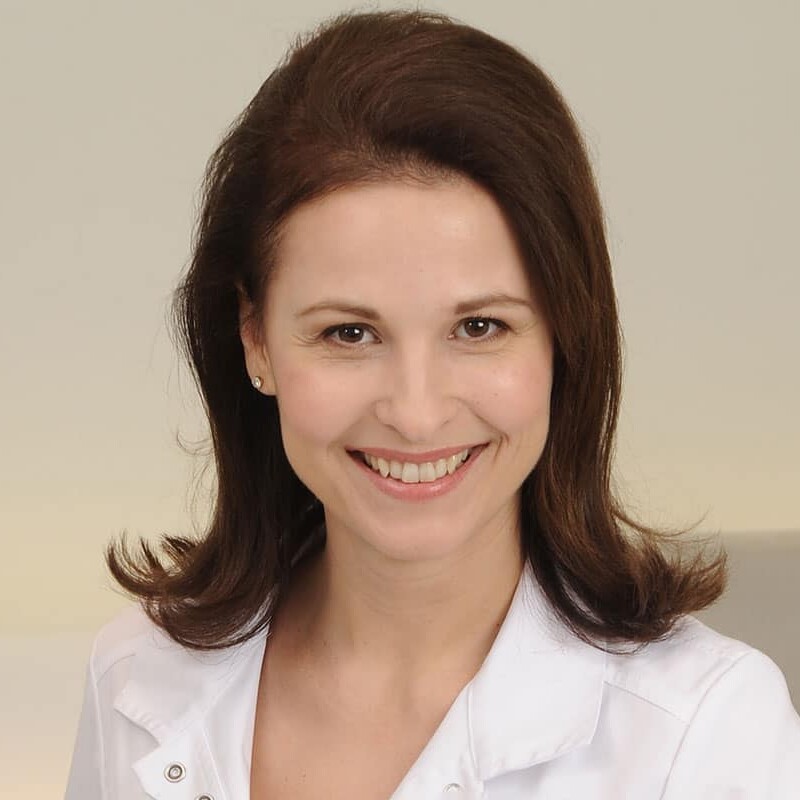


Senior Physician Dr. med.Tamara Arnoldner, MD
Contact us
Matching blog posts

World Urticaria Day on October 1 - raising awareness of an often underestimated skin disease
World Urticaria Day is celebrated worldwide on October 1. The aim of this day of action is to raise awareness of the disease urticaria (hives) and to encourage those affected. At JUVENIS, we are also committed to [...]
World Urticaria Day on October 1
Urticaria, also known as chronic hives, is a non-contagious skin disease. It can be recognized by the large, red bumps on the skin (also known as wheals) and severe itching. This skin disease often appears without a known trigger, but can [...]

HAUTFIT - Exciting facts about our skin by Dr. Tamara Kopp
Is my skin healthy? What does it mean if it itches or burns? And what skin diseases could be hiding behind it? Professor Dr. Tamara Kopp from JUVENIS provides answers to all these questions during a [...]
Responsible for the content of this page: Associate Professor Tamara Kopp, MD, Senior Physician Christine Bangert, MD, Senior Physician Elli Katherina Greisenegger, MD, Senior Physician Tamara Arnoldner, MD