 JUVENIS Vouchers

 JUVENIS Vouchers
Correction of protruding ears in Vienna
Ear correction at JUVENIS
Protruding ears very often lead to significant psychological stress for the affected person. A corrective operation can help achieve better self-esteem and greater confidence in social situations.
In children, such an operation may already be performed from the age of 5. It is therefore recommended to carry out this procedure before starting school to protect children from teasing.

Treatment regions
Ear correction treatment procedure
Consultation
At JUVENIS it is very important to us that you receive not only excellent medical care but also comprehensive consultation and information. Our plastic surgeons will carefully examine your ears, analyze your personal wishes and ideas, and, depending on the ear malformation, develop an individual treatment plan. The costs that will apply to you will also be discussed.
Only after you have made a calm decision and all your questions have been answered in detail will we schedule a treatment appointment with you.
With children it is especially important to pay attention to their feelings. A child must not be pressured; they should decide on this procedure of their own accord so that good cooperation with the doctor is possible.
Please contact JUVENIS by phone at +43 1 236 3020, by e-mail at empfang@juvenismed.at or via the contact form, to arrange a consultation or treatment appointment.
Ear correction: The operation
In adults the operation is usually performed under local anesthesia but can also be done under general anesthesia; this is decided individually. In younger children it is usually performed under general anesthesia.
- Operation duration: 1 to 2 hours
With an uncomplicated intra- and postoperative course, a day-clinic stay is sufficient. If required, an inpatient stay is possible.
Surgical technique
The correction is performed via a skin incision on the back of the ear; the cartilage is worked on and shaped using special techniques so that a natural, aesthetic result is achieved and the ear does not look 'operated on'.

After the operation
After the operation a head-and-ear dressing is applied, which can usually be replaced after 1 to 2 days by a lighter ear bandage with a headband. A headband should be worn day and night for 6 weeks. Sutures are removed after 7 to 14 days. During this time the dressing should always be kept clean and dry.
Costs of ear correction
*The costs of an ear correction depend on the initial situation and the length of stay in the hospital. For children, part of the costs is usually covered by the statutory health insurance.
To develop the treatment concept that is right for you, we would like to invite you to a comprehensive consultation (€ 90) with our plastic surgeons. During this consultation a detailed individual cost estimate will be prepared.
| Treatment | Price |
|---|---|
| Initial consultation | € 190 |
| Ear correction | *from € 2,500 |
FAQs
Ear correction is a surgical procedure to correct protruding or asymmetrical ears.. The goal is a natural-looking, harmonious ear shape that sits closer to the head.
An otoplasty is suitable for:
Children from about 5–6 years old (after ear growth is complete)
Adolescents and adults with protruding ears
People with asymmetrical ear shape
The treatment can be useful for both aesthetic and psychological reasons.
The procedure is usually performed under local anesthesia, in children often under general anesthesia. Through a small incision behind the ear, the cartilage is shaped and the ear position is adjusted. The operation usually lasts 1 to 2 hours.
During the procedure, you will not feel any pain due to the anesthesia. After the operation, there may be slight feeling of tension or pressure, which is easily treatable.
The initial recovery phase lasts about 1 to 2 weeks. During this time a bandage is worn. Afterwards, a headband should be worn for several weeks, especially at night.
The result is generally visible immediately. The final result becomes apparent after a few weeks, when swelling has completely subsided are.
The incisions are usually made behind the ear so that the scars are barely visible later.
As with any surgical procedure, risks such as swelling, bruising, infections, or wound healing disordersmay occur. With careful technique and aftercare, these are minimized.
Yes. The corrected ear shape usually remains is permanently maintained, as the cartilage is reshaped and stabilized.
After the procedure you should:
consistently wear the bandage and later the headband
temporarily avoid physical exertion
avoid pressure on the ears
The costs depend on the extent of the treatment and individual circumstances and start at €2,500.
The Exact prices will be provided in a personal consultation., during which an individual cost plan is created.
In children, in certain cases a coverage by health insurance possible. In adults, it is usually a cosmetic procedure that is not covered.
Bei JUVENIS werden Eingriffe von experienced specialists in plastic and aesthetic surgery performed. Through precise techniques, individualized planning, and modern methods, a natural and lasting result with the highest safetyresult.
We have answered the most frequently asked questions on the topic of Ear correctionanswered. If you have any further questions, please feel free to contact us via empfang@juvenismed.at or at +43 1 236 3020.
Risks & side effects
Complications can also occur after a surgical procedure carried out with the greatest care and prudence.
In addition to the possible complications following general anesthesia, the most common possible complications after an ear correction include the possibility of postoperative bleeding and wound healing disorders. All possible complications will be explained in detail during the informed-consent discussion.
Team
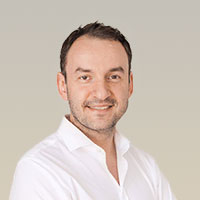

Dr. Dr. med.Bernhard Moser
Contact
Responsible for the content of this page: OA Dr. med. Igor Pona, Dr. Dr. Bernhard Moser