 JUVENIS Vouchers
 JUVENIS Vouchers
JUVENIS treatment for psoriasis
Psoriasis treatment in Vienna
Psoriasis is a chronic inflammatory disease caused by a malfunction of the body's own immune system. In those affected (approx. 2% of the world's population), the skin renews itself eight times faster than normal. The immune cells become overactivated and release inflammatory factors into the skin, resulting in scaly, reddened, sharply defined patches and itching.
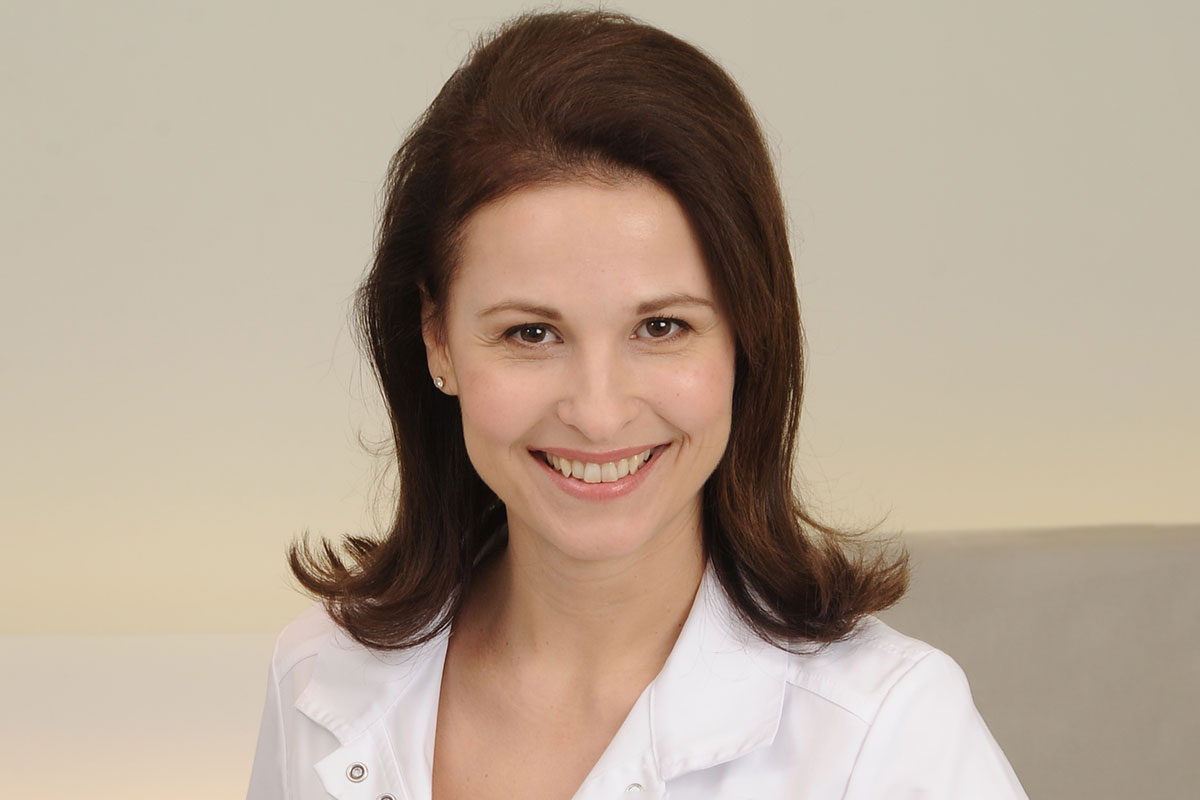
Due to years of research into therapy options for psoriasis, Assoc. Prof. Dr. Tamara Kopp and Dr. Christine Bangert are considered psoriasis experts and were even awarded the Heinrich Auspitz Prize.

Forms of psoriasis
Psoriasis vulgaris
Is the most common form (about 90% of all those affected), also known as plaque psoriasis (usually on the knees, elbows, and back)
Psoriasis inversa
Occurs in body folds (armpits, abdominal folds, anal and genital area, under the breast)
Psoriasis capitis
Also called scalp psoriasis (on the hairy part of the head)
Nail psoriasis
Occurs in about half of all psoriasis patients; can lead to changes in nail structure or even destruction of the nail plate
Guttate psoriasis
Usually in children after a streptococcal infection (drop-shaped all over the body)
Psoriasis pustulosa
Yellowish pustules on the psoriasis patches
Please contact JUVENIS by phone at +43 1 236 3020, by e-mail at empfang@juvenismed.at or via the contact form, to arrange a consultation or treatment appointment.
Possible accompanying symptoms of psoriasis
Affected individuals have an increased risk of Cardiovascular diseases, metabolic diseases, and Overweight. In about one in four psoriasis patients, psoriatic arthritis, an inflammatory joint disease that causes swelling and pain, occurs in addition to skin symptoms.
Due to the severe itching and the visually unsightly affected skin areas, this disease also brings with it psychological distress, which can lead to Depression develop.
Psoriasis triggers
Which factors can promote the outbreak of psoriasis?
Please contact JUVENIS by phone at +43 1 236 3020, by e-mail at empfang@juvenismed.at or via the contact form, to arrange a consultation or treatment appointment.
What can be done to reduce the risk of a disease outbreak?
Treatments & therapies for psoriasis
What medical treatment options are available for psoriasis?
Psoriasis is not curable, but there are already several ways to significantly reduce the symptoms. Good skin care products in the form of moisturizing creams, ointments, and lotions can improve the condition of the skin and prolong symptom-free periods.
Depending on the severity, there are various therapy options:

Study by Prof. Dr. Tamara Kopp
Blockade of IL-23 as a therapy option for psoriasis
A clinical study by Assoc. Univ. Prof. Dr. Tamara Kopp and Ms. Dr. Christine Bangert shows that the targeted blockade of a specific messenger substance of the immune system (IL-23) improves the skin symptoms of psoriasis. This messenger substance also plays a role in rheumatoid arthritis, multiple sclerosis, and Crohn's disease.
For this research, she was awarded the Heinrich Auspitz Prize and is considered a psoriasis expert.
Several IL-23 inhibitors have now been approved for the treatment of certain forms of psoriasis.
Before-and-after pictures
To give you an idea of the results of the treatment, we have put together some before-and-after pictures of patients for you here.
Successful psoriasis treatment at JUVENIS
Psoriasis can be a great burden for those affected – physically and emotionally. Redness, scales, and itching often impair self-confidence and quality of life.
At JUVENIS in Vienna, Dr. Tamara Kopp was able to significantly help a patient with an individually tailored therapy concept. The before-and-after pictures show a clear improvement in the skin appearance – less inflammation, less redness, and noticeably more well-being.


Costs
| Treatment | Price |
|---|---|
| Initial consultation for psoriasis | € 190 |
FAQs
Psoriasis is a chronic inflammatory skin disease, in which skin cells renew themselves faster than normal. This leads to typical red, scaly patches of skin, which are often accompanied by itching.
Typical signs are:
red patches of skin with silvery-white scales
itching or a feeling of tightness
dry, cracked skin
thickening of the skin in affected areas
The condition can vary in severity.
Psoriasis is caused by a combination of:
genetic predisposition
abnormal immune system reaction
environmental factors such as stress, infections, or skin irritations
Treatment is tailored to you and may include:
medical skincare to soothe the skin
anti-inflammatory creams and ointments
light or laser therapies
systemic therapies for severe cases
The goal is to to reduce inflammation and stabilize the skin in the long term.
A full cure is not currently possible. However, with modern therapies the condition can be very well controlled and quality of life significantly improved will be.
At the beginning, a detailed dermatological examination. An individual treatment plan is then created, tailored to your symptoms and skin condition.
Most treatments are not painful,. The goal is to soothe the skin and relieve symptoms.
You can support your skin by:
regular emollient care
avoiding stress
protecting the skin from irritants
a healthy lifestyle
Yes, in some patients an additional psoriatic arthritis affecting the joints. In this case, early assessment is particularly important.
Depending on the therapy, side effects may occur. These are discussed in detail in advance and the treatment is adjusted accordingly.
The costs depend on the chosen therapy and the individual treatment plan. An initial consultation for psoriasis costs € 190.
The Exact prices will be provided in a personal consultation..
Since this is a medical treatment, a (partial) coverage of costs by the health insurance is often possible.
At JUVENIS you will be cared for by experienced dermatologists is cared for. Particularly noteworthy is Dr. Tamara Kopp, who works intensively on inflammatory skin diseases such as psoriasis and is also scientifically active in this field.
Through modern treatment concepts, solid medical expertise, and individually tailored treatment plans, a long-term control of the condition as well as a significant improvement in your quality of life aimed for.
We have answered the most frequently asked questions on the topic of Psoriasis – Psoriasis answered. If you have any further questions, please feel free to contact us via empfang@juvenismed.at or at +43 1 236 3020.
Testimonials
6 testimonials on psoriasis treatment in Vienna at JUVENIS
Finally free of symptoms after 20 years with psoriasis!Dear psoriasis patients! Dear Dr. Kopp! My name is Mr. F. and I [...] |
Testimonial – Psoriasis treatment at JUVENIS in ViennaMs. K. (20-30 years): “Dr. Tamara Kopp and her team are very competent and [...] |
Psoriasis finally gone!Mr. K. (21 years): “I'm glad that my psoriasis is finally gone!” Doctor: a.o. Univ. [...] |
Team
Dr. med.Elli Katherina Greisenegger

Contact
Related blog posts

Successful psoriasis treatment at JUVENIS in Vienna – visible skin improvement thanks to individualized therapy
Psoriasis, also known as plaque psoriasis, is a chronic inflammatory skin disease that affects sufferers not only physically but often also mentally. Redness, silvery-white scales and itching can significantly impact daily life. At JUVENIS in Vienna it was possible [...]

World Psoriasis Day on October 29 – Raising awareness
October 29 is dedicated worldwide to psoriasis – a chronic inflammatory skin disease that affects millions of people. The goal of World Psoriasis Day is to raise awareness of this disease and reduce prejudices [...]

World Psoriasis Day on 10/29 – Raising awareness
Every year on 10/29, World Psoriasis Day takes place. This day is dedicated to people with psoriasis; it is intended to increase awareness of this disease and point out modern therapy options. What is psoriasis? [...]
Responsible for the content of this page: a.o. Univ. Prof. Dr. med. Tamara Kopp, OÄ Dr. med. Christine Bangert, OÄ. Dr. med. Elli Katherina Greisenegger, OÄ Dr. med. Tamara Arnoldner