 JUVENIS Vouchers
 JUVENIS Vouchers
Examination and treatment of diabetes at JUVENIS Vienna
Examination and treatment of diabetes mellitus
Diabetes refers to a group of metabolic diseases in which the pancreas produces too little insulin. Colloquially this is referred to as "sugar disease." In untreated patients, blood sugar values are always markedly elevated (hyperglycemia). The JUVENIS medical center in Vienna offers the examination and treatment of sugar disease (diabetes mellitus) and its precursors.

Treatments & Therapies
Forms of diabetes
Type 1 diabetes
Here antibodies destroy the insulin-producing cells in the pancreas, so that the pancreas can ultimately no longer produce insulin.
In most cases children and adolescents are affected; however, type 1 diabetes can also first occur in adulthood.
Type 2 diabetes
Cells need more insulin to take up sugar from the blood, causing the pancreas to respond with increased insulin secretion. After years of overproduction, the body cells ultimately develop what is called insulin resistance.
This form usually occurs in adulthood (around age 50), but nowadays, as a consequence of overweight and obesity, it is increasingly common in children and adolescents as well.
Please contact JUVENIS by phone at +43 1 236 3020, by e-mail at empfang@juvenismed.at or via the contact form, to arrange a consultation or treatment appointment.
Risk factors for diabetes
Here a Nutritional counseling or a metabolic program Metabolic balance.
Costs
| Treatment | Price |
|---|---|
| Initial consultation (depending on required examination) | € 290 to € 350 |
FAQs
Diabetes mellitus ("sugar disease") is a metabolic disorder in which the blood sugar level is permanently elevated is. The cause is either an insulin deficiency or a reduced effect of insulin.
The most common forms are:
Type 1 diabetes – mostly due to absolute insulin deficiency
Type 2 diabetes – often associated with insulin resistance and metabolic disorders
Gestational diabetes
Typical symptoms include:
excessive thirst
frequent urination
fatigue and exhaustion
concentration problems
weight changes
poor wound healing
Common risk factors are:
Overweight
Physical inactivity
unhealthy diet
genetic predisposition
Metabolic disorders
The diagnostic workup may include:
Blood sugar measurements
Long-term blood sugar value (HbA1c)
Blood tests
Internal medicine examination
Metabolic analysis
At the beginning, there is a detailed discussion about symptoms, previous illnesses, and risk factors. Subsequently, individually necessary examinations are carried out.
The therapy depends on the type and severity of the disease and can include:
dietary changes
weight loss
exercise
Drug therapy
Insulin therapy
Regular check-ups
Especially type 2 diabetes can often be:
Healthy diet
Regular exercise
Weight control
early prevention
positively influenced or delayed.
Well-managed diabetes helps to prevent secondary diseases such as:
Cardiovascular diseases
Nerve damage
Kidney problems
Vascular damage
to prevent.
Helpful measures are:
balanced diet
regular physical activity
avoidance of overweight
consistent medication intake
regular blood sugar checks
The costs depend on the scope of diagnostics and therapy. An initial consultation (depending on the required examination) costs from € 290 to € 350.
The Exact prices will be provided in a personal consultation..
Because these are medical examinations and treatments, a (partial) coverage of costs by the health insurance is often possible.
At JUVENIS you benefit from modern metabolic diagnostics, individual care, and experienced specialists. Through targeted therapy and prevention concepts, your blood sugar is optimally adjusted and the risk of secondary diseases is reduced.
We have answered the most frequently asked questions on the topic of Diabetes mellitus ("sugar disease") answered. If you have any further questions, please feel free to contact us via empfang@juvenismed.at or at +43 1 236 3020.
Alternative and complementary treatments
Internal medical examination
Through the basic internal medical examination we offer comprehensive care for Cardiovascular diseases to develop therapy and prevention goals.
Contact
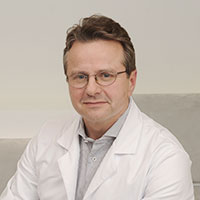
Responsible for the content of this page: a.o. Univ.-Prof. Dr. med. Christoph Kopp