 JUVENIS Vouchers
 JUVENIS Vouchers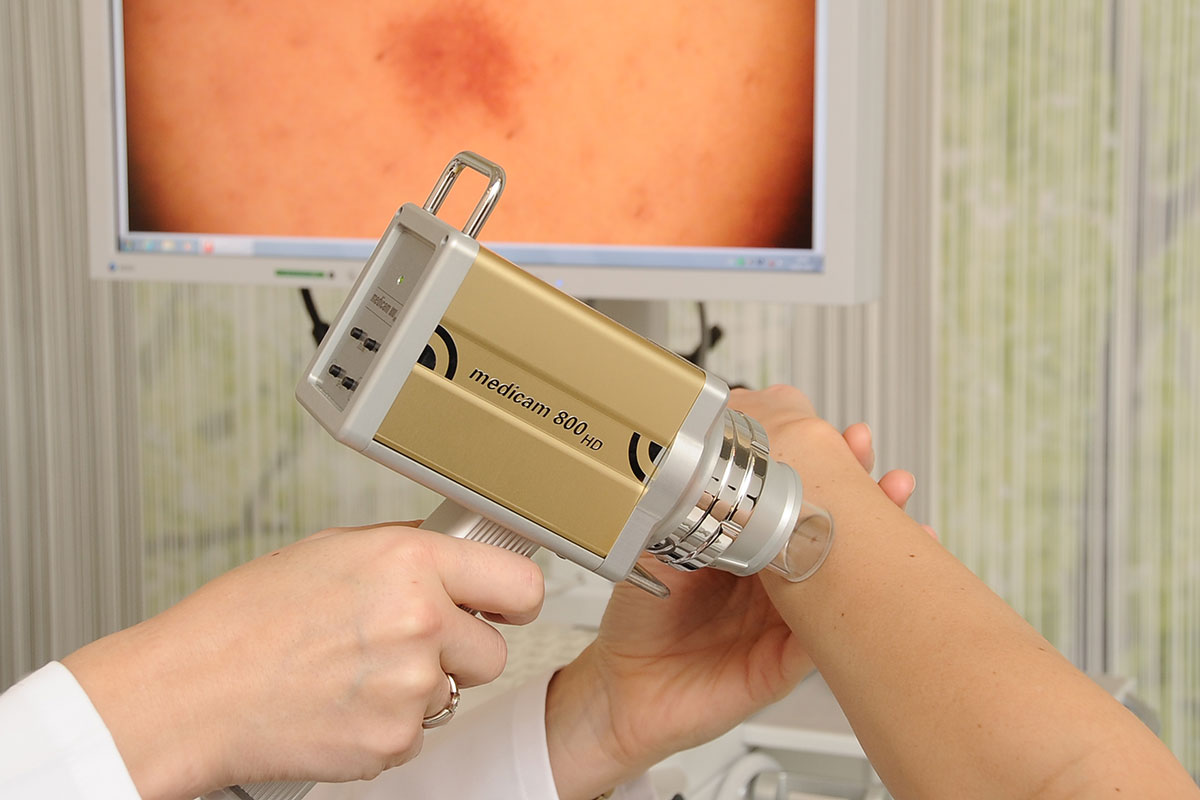
The sun has many positive aspects – it lifts the mood, supports the production of vitamin D, and is part of everyday outdoor life for many people. At the same time, UV radiation is one of the main factors for skin damage and premature skin aging. Many changes develop gradually over years and only become visible late.
How UV radiation affects the skin
UV radiation penetrates the skin to different depths. The main distinction is between UVA and UVB rays.
UVB rays primarily affect the outermost layer of the skin and are mainly responsible for sunburn. UVA rays penetrate deeper into the skin and can cause long-term changes there – for example, an acceleration of skin aging or structural damage to connective tissue.
Repeated UV exposure can cause skin cells to change and overwhelm their repair mechanisms.
Typical consequences of sun damage
Long-term UV exposure can cause a variety of skin changes. Common consequences include:
Pigmented spots
So-called age spots or sun spots are caused by increased melanin production in the skin.
Premature skin aging
UV radiation can break down collagen fibers. As a result, the skin loses elasticity, wrinkles form, and the skin appears less firm.
Vascular changes
Fine visible capillaries or redness can also be associated with chronic sun exposure.
Actinic keratoses
These rough, scaly skin lesions are considered a possible precancerous stage of skin cancer and should be checked by a dermatologist.
Increased risk of skin cancer
Long-term UV exposure is a significant risk factor for various forms of skin cancer, including melanoma.
Why regular skin checks are important
Many skin changes develop over years and initially go unnoticed. Regular dermatological skin checks can help detect changes early.
In skin cancer screening, the skin is closely examined using special diagnostic methods — for example, digital dermatoscopy. Suspicious moles or skin changes can thus be identified early and, if necessary, further assessed.
Sun protection remains the most important safeguard
The best protection against sun damage is a consistent approach to UV exposure. This includes:
- Sunscreen with an adequate SPF
- Protective clothing and headwear
- Avoid intense midday sun
- Regular skin checks
A dermatological consultation is particularly advisable if pigment spots are already present or if you have many moles.
Preserve long-term skin health
The skin stores many memories of sun exposure. Therefore it is important to take sun protection seriously not only on summer vacations but also in everyday life.
At JUVENIS in Vienna we offer modern dermatological diagnostics and Skin cancer screening to detect skin changes early and provide individual advice. Regular skin checks can help identify risks in time and protect skin health in the long term.
Additionally, JUVENIS offers a treatment for age spots; you can find information about this treatment on our website:Treatment of age spots, pigment spots
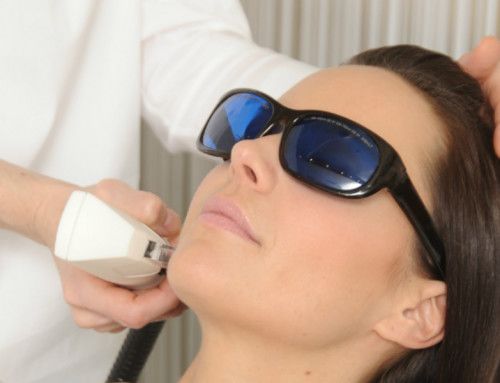
For beautiful skin: Skin rejuvenation using IPL, here pigment spots, age spots, melasma, solar lentigines as well as couperose and dilated capillaries are treated.
JUVENIS in Vienna offers services related to Health & preventive care, Radiance & posture as well as Outer beauty that make you outwardly radiant and enhance your well-being.
Contact us, we will be happy to inform you!