 JUVENIS Vouchers
 JUVENIS Vouchers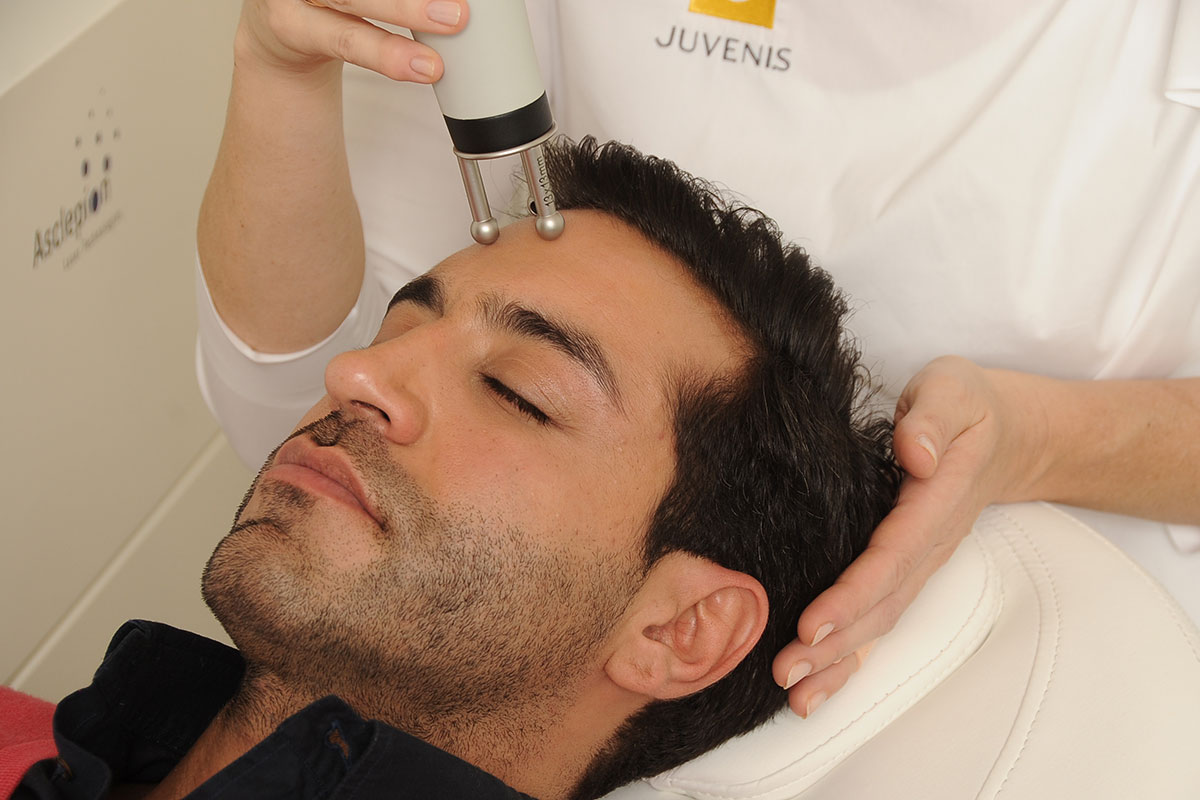
Acne can heal – but the marks often remain. Acne scars occur when inflammation in the skin damages deeper tissue. Many affected people wish for a more even complexion and ask: Which treatment really helps? Modern dermatological procedures now offer several effective options – the crucial factor is choosing the right one depending on the scar type.
Why do acne scars occur?
In inflammatory acne, wound healing can be disrupted. The body produces too little or too much collagen – resulting in depressed (atrophic) or, less commonly, raised (hypertrophic/keloid) scars. Common forms include:
- Ice pick scars (deep and narrow)
- Boxcar scars (wider, with well-defined edges)
- Rolling scars (wavy, shallow)
Accurate classification is crucial for treatment.
Which methods really help?
There is no "one" standard solution. Effective treatments often combine several procedures to improve the structure, depth and color of scars.
Laser therapy
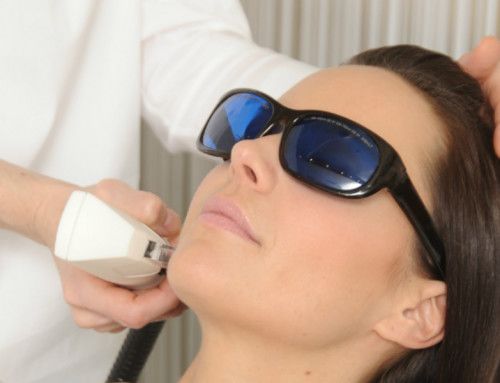
Fractional lasers can stimulate skin renewal and collagen production. The goal is a smoother skin texture and a visible reduction in scar depth. Particularly suitable for atrophic scars.
Microneedling (Dermapen)
Fine needles during Microneedling set controlled micro-injuries that activate new collagen formation. The procedure is minimally invasive and can gradually improve skin texture. Multiple sessions are often required.
Chemical peels
Medical peels (e.g. with fruit acids or TCA) remove superficial skin layers and promote regeneration. They are particularly suitable for superficial scars and pigment changes.
PRP (plasma treatment)
In the case of PRP therapy the body's own plasma is introduced into the skin to support regeneration processes. PRP is often combined with microneedling.
Fillers (hyaluronic acid)
In selected cases, hyaluronic fillers can be used to lift sunken areas and immediately smooth the skin's appearance.
Which treatment is right?
The choice depends on several factors:
- Scar type and depth
- Skin type and sensitivity
- existing pigmentation issues
- individual expectations
In practice, combination therapy is often recommended to achieve the best possible results.
How many sessions are necessary?
Acne scars can usually be improved step by step. Depending on the method, several treatments at intervals of a few weeks are necessary. Early changes can often be seen soon; the full effect develops over months.
What can you realistically expect?
A realistic assessment is important: In most cases acne scars can be significantly improved, but rarely completely removed. The goal is visibly smoother, more even skin.
Treating acne scars at JUVENIS in Vienna
At JUVENIS in Vienna, a detailed skin analysis is performed before every treatment. Based on the individual scar pattern, a tailor-made treatment plan is created – often as a combination of laser, microneedling, peels or other procedures.
Conclusion
Acne scars are not a fate you have to accept. Modern dermatological methods can specifically improve the skin's appearance. Early assessment and choosing the right therapy are crucial.
A personal consultation with experienced dermatologists is the first step toward visibly more even skin.
You can find further information on our website here: Treat acne scars
JUVENIS in Vienna offers services related to Health & preventive care, Radiance & posture as well as Outer beauty that make you outwardly radiant and enhance your well-being.
Contact us, we will be happy to inform you!