 JUVENIS vouchers
 JUVENIS vouchers
What is pneumococcus?
Pneumococci are the most common cause of pneumonia, which in turn is the third most common cause of death in Western countries.
Transmission occurs through droplet infection, e.g. when speaking, sneezing and coughing. The droplets are absorbed through the air and lead to infection by multiplying on our mucous membranes.
The pathogens are normally found in the nasopharynx without causing illness. The age, the environment and above all the immune status are decisive for the occurrence of a disease.
Which diseases can be caused by pneumococci?
In addition to pneumonia, these include meningitis and severe invasive diseases (sepsis). Children also often suffer from otitis media.
Who should be vaccinated?
Especially children up to the age of 5 and people over the age of 50.
However, people with chronic lung disease (asthma, emphysema, COPD), chronic heart, liver and kidney disease and diabetes mellitus are also at increased risk, as are people with an impaired immune system and a missing spleen (after surgery) and smokers.
How often and when are vaccinations given?
There are two vaccines, a 23-valent polysaccharide vaccine (PPV23) and the newer 13-valent conjugated vaccine (PNC13), which should be combined and vaccinated at intervals of 1 or 2 years.
The pneumococcal vaccine can be given all year round, ideally together with the flu vaccine in the fall.
Is there a contraindication?
Severe allergic reaction (anaphylaxis) after a previous vaccination,
Acute febrile infections, in which case the vaccination should be postponed to another time
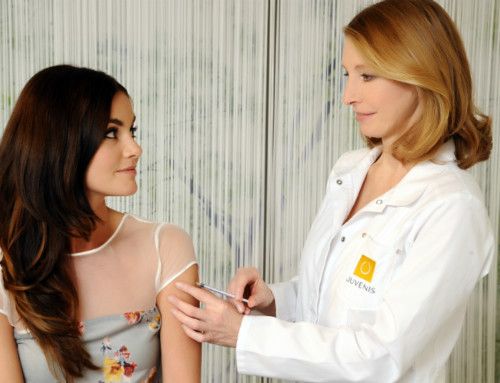
Pneumococcal vaccination in VIENNA at JUVENIS
At JUVENIS in Vienna, the pneumococcal vaccination is administered by Dr. Tanja Pisec-Weihen and Dr. Daniela Themmer, for whom your well-being and health are their top priority.