 JUVENIS Vouchers
 JUVENIS Vouchers
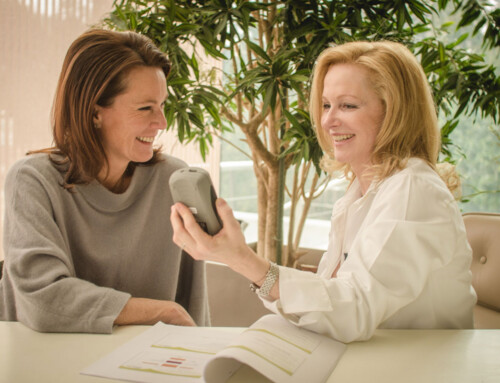
Medical self-tests are becoming increasingly popular — because everything has to be done ever faster. But are such self-tests reliable? Dr. Daniela Themmer, a general practitioner with a focus on nutritional medicine at JUVENIS, provides information on this popular trend.
Information about medical self-tests from Dr. Themmer of JUVENIS
In an interview with woman.at, Dr. Daniela Themmer explains which self-tests make sense and which do not. Pregnancy and paternity tests, for example, are sensible and usually also reliable. With many other tests the problem is that no solutions are offered. Thus, for example, you may learn that your cholesterol is elevated, there is blood in the stool, or you have an iron deficiency, but you are not spared the trip to the doctor and another test.
A test for the Helicobacter pylori germ, which is responsible for gastritis, makes no sense. The offered test kits examine the blood for antibodies, but many people carry these and they do not provide information about an acute inflammation. Above all, this self-test is very expensive, up to € 150,-. There are particularly many self-tests for food intolerances. Here too medical supervision is lacking, so such a self-test can be an impetus but cannot replace targeted nutritional counseling and medical care.
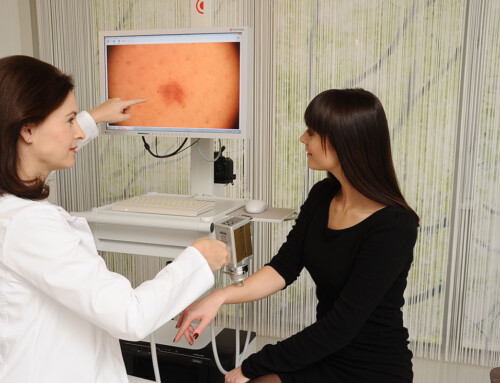
Dr. Themmer recommends the annual general health check, since all essential parameters are assessed there and it is also covered by the health insurance. With regular examinations the course of one’s health becomes visible. Additionally, regular check-ups with the gynecologist, dentist and a mole check provide adequate preventive care.
The full article can be read here: www.woman.at/a/medizinische-selbsttests
Other services by Dr. Daniela Themmer at JUVENIS in Vienna
- Lactose intolerance, fructose intolerance and histamine intolerance
- Bioimpedance analysis
- Nutritional counseling
- H2 breath test
- Metabolic Balance
JUVENIS in Vienna offers services related toHealth & preventive care, Radiance & posture as well as Outer beauty that make you outwardly radiant and enhance your well-being.