 JUVENIS Vouchers
 JUVENIS Vouchers
October 29 is World Psoriasis Day, the day of psoriasis. It was initiated in 2004 by the IFPA, the International Federation of Psoriasis Associations, to raise greater awareness of this skin disease. Each year World Psoriasis Day has a specific theme; this year it is “Be Informed”. Because only with sufficient and good information can people affected be helped, new treatments discovered and prejudices dispelled.
To live up to this motto, the experts at JUVENIS Vienna would also like to provide information today about the disease Psoriasis and the possible treatments. Around 250,000 people in Austria suffer from this skin disease, and worldwide it affects about 2% of the population. It is a hereditary condition that triggers a malfunction of the immune system. This causes the skin of those affected to renew itself about 8 times faster than in healthy people. Due to this excessive activation of immune cells, inflammatory factors are released, resulting in scaly, reddened, and sharply defined skin patches. Since these are also accompanied by severe itching, the burden of suffering for patients is particularly high.
Identify and avoid psoriasis triggers
Although psoriasis is hereditary, there are several factors that can trigger the onset of the disease. These include stress, nicotine and alcohol, skin irritation, hormonal changes (for example during pregnancy, puberty or menopause) and various medications (for example for rheumatism or high blood pressure). In addition, those affected should avoid showering or bathing too hot, use skin-friendly products and pay attention to their diet, and moisturize daily.
World Psoriasis Day: Which treatments are available today?
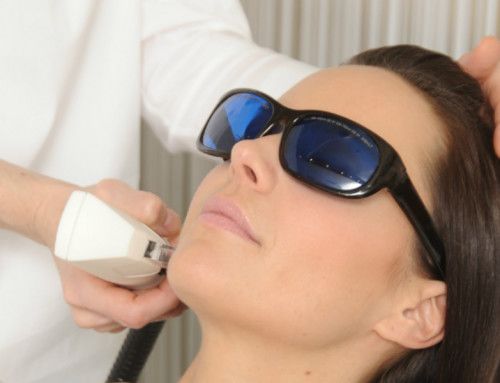
For World Psoriasis Day, we want to give you an overview of the possible treatments for psoriasis treatments. In the first step, topical treatments in the form of ointments and creams containing urea and cortisone or vitamin D preparations are usually used. If these local therapies no longer help, UV radiation is used. Since these light therapies have an immunomodulating effect, they slow down the unusually rapid cell division of the skin. However, if the psoriasis is moderate to severe, systemic medications such as retinoids, methotrexate, ciclosporin A, fumaric acid, or apremilast are used in the next step. Another systemic treatment option is so-called biologics. They are injected under the skin or administered intravenously. These are biotechnologically produced drugs that can stop inflammatory processes and significantly reduce symptoms.
Outstanding female psoriasis specialists at JUVENIS
Univ.-Prof. Dr. Tamara Kopp and Dr. Christine Bangert from JUVENIS Vienna have also studied these biologics. In a clinical study they showed that the targeted blockade of a specific messenger substance can improve the skin symptoms of psoriasis. For this research, Dr. Kopp was awarded the Heinrich Auspitz Prize and is therefore considered a psoriasis expert.