 JUVENIS Vouchers
 JUVENIS Vouchers
At the press conference “Spektrum Dermatologie 2022” a connection was evident between the greater intensity of UV radiation in Germany and the yearly increasing number of skin cancer cases in men and women.
Dermatologists expect rising skin cancer cases
For some time now, UV exposures have been measured at monitoring stations in Germany, as was previously done only in Sicily. People who work a lot outdoors, such as in construction or agriculture, have high UV exposure and can be considered a high-risk group. In Germany, occupationally acquired skin cancer among long-term sun-exposed outdoor workers has risen to become the most commonly recognized occupational disease. In Germany, skin cancer has been considered an occupational disease since 2015; in Austria this step is still pending.
Prof. Dr. Swen Malte John, from the University Hospital Osnabrück, reports that there are 10,000 notifications here every year and that 6,000 of those cases are recognized as occupational disease. In his view, climate change will further exacerbate these incidents.
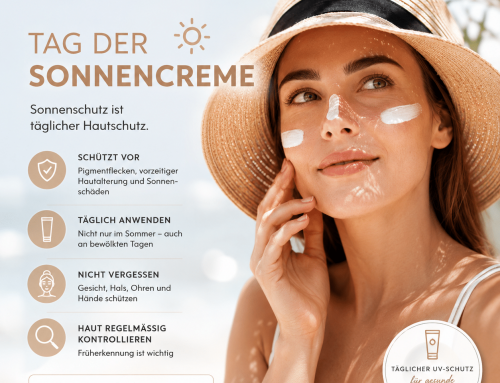
However, it is not only people who are increasingly exposed to UV radiation at work who need to be careful. Due to the higher UV radiation dose, everyone who spends time outdoors must ensure good Sun protection protection, even on cloudy days.
Furthermore, it is very important to go for regular Skin cancer screening check-ups with a dermatologist, to check moles yourself again and again, and also to have them checked by a professional. In case of any abnormalities, go to the Dermatologist immediately and have it clarified. If detected early, light-colored Skin cancer can be treated well.
JUVENIS offers the following treatments:
- Mole check and skin cancer screening in Vienna
- Skin cancer treatment in Vienna
- Skin cancer treatment: Photodynamic therapy (PDT) with daylight at JUVENIS in Vienna
JUVENIS in Vienna offers services related toHealth & preventive care, Radiance & posture as well as Outer beauty that make you outwardly radiant and enhance your well-being.
Article series on skin cancer
This article is the first part of a comprehensive series on the topic of skin cancer. You can read the other parts at the following links: